Expedition Tremor: Bold Tech, Baffling Design
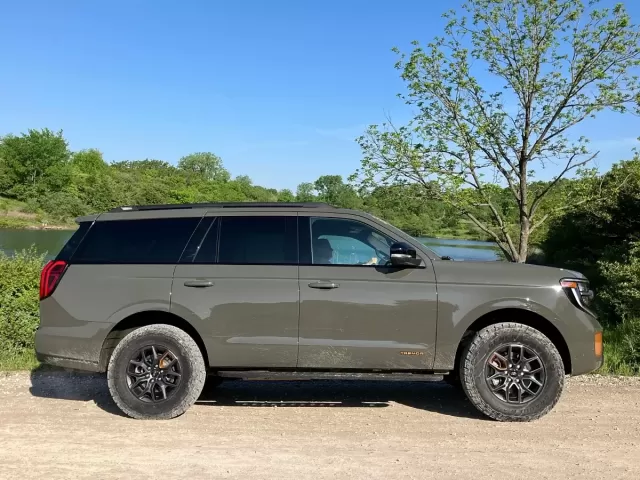
Ford's latest Expedition, particularly the rugged Tremor variant, presents a compelling, albeit flawed, evolution of the full-size SUV. While the core strengths of spaciousness, robust construction, and potent powertrains remain intact, Ford's ambitious attempts at modernization have introduced some significant usability hurdles.
A Tale of Two Expeditions: Tradition Meets Tech
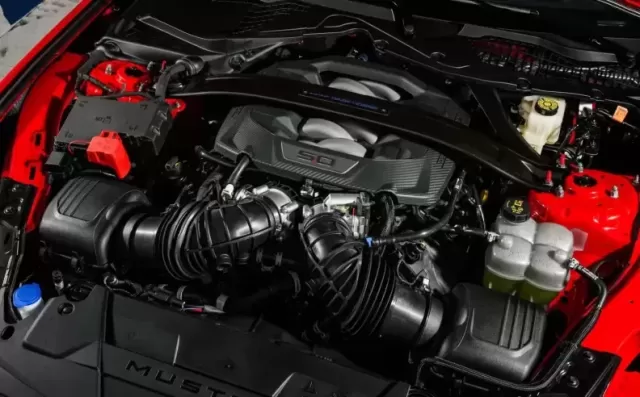
The familiar strengths of the Expedition shine through. Its twin-turbo V-6 engine delivers ample power, and judges found the ride quality on the off-road-tuned Tremor surprisingly refined, even surpassing its more luxurious Lincoln Navigator counterpart. Inside, the cabin offers generous space, with a noteworthy third row that comfortably accommodates adults. The innovative split tailgate drew mixed reactions; some appreciated its utility, while others found it less convenient.
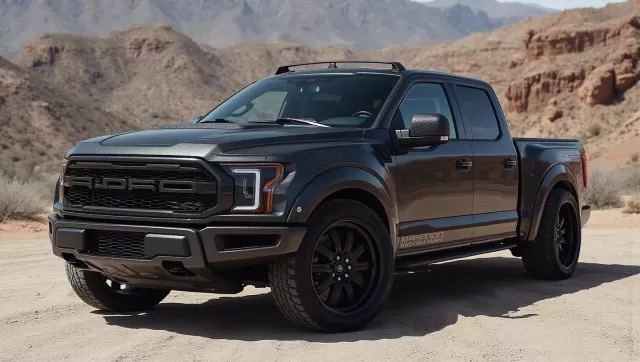
The Tremor model demonstrated impressive capability on the off-road course, easily navigating deep sand. However, it faced a challenge on the inclined rollers, a test designed to assess four-wheel-drive power distribution. The system was slow to engage the front wheels when the rears lost traction. On a more positive note, the Trail Turn feature, which brakes the inner rear wheel to tighten the turning radius, proved invaluable on the tighter sections of the trail, showcasing its practical application.
Where Innovation Stumbles: Ergonomic Frustrations
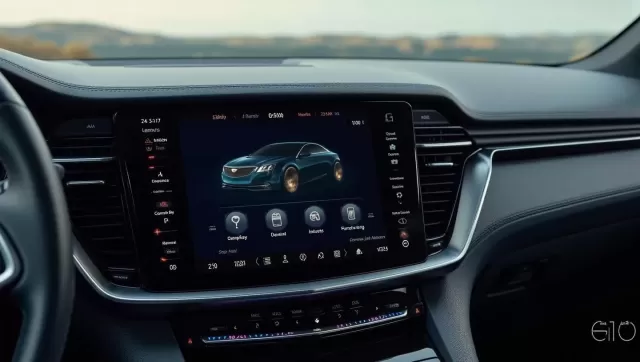
The Expedition's foray into new design territory generated the most significant criticism. The distinctive squared-oval steering wheel, intended to provide an unobstructed view of the large, widescreen LCD display situated below the windshield, proved unpopular. While the screen itself is functional, the steering wheel's unconventional shape and small size made for an awkward grip and transformed parking maneuvers into a strenuous task.
Further compounding the issue, drivers were forced to adjust the steering column to a suboptimal position to avoid obscuring the display. This adjustment process, managed by unlabeled context-sensitive thumb pads on the wheel, is a prime example of the design's shortcomings. These same pads also control the audio and phone systems, adding to the confusion.
Other ergonomic missteps include the drive mode selector, inexplicably located near the driver's left knee, where one would typically find the headlight controls. The headlight switch itself is relegated to the center screen, a move that felt as illogical as adjusting the steering column with the same buttons used for the stereo. The rotary shifter and cupholders are positioned inconveniently, and while the motorized center console offers substantial storage, the control knob for the impressive reverse-trailer-steering system is hidden within a compartment alongside USB ports and the wireless charging pad.
A Solid Foundation, But Livability Suffers
At its heart, the Expedition fulfills the fundamental expectations of a large SUV. It comfortably seats up to eight, offers robust power, a pleasant ride, and substantial towing capabilities. The Tremor model is undeniably capable, ready to tackle both paved roads and challenging off-road terrain. However, Ford's ambitious pursuit of modernity has, unfortunately, detracted from the vehicle's everyday usability. A more conventional interior layout would likely enhance the Expedition's overall appeal and potentially position it as a stronger contender in the SUV of the Year competition.
This evaluation was part of the 2026 SUV of the Year (SUVOTY) testing, where vehicles are assessed across six key areas: efficiency, design, safety, engineering excellence, value, and performance of intended function. Eligibility requires vehicles to be entirely new or significantly updated.