Charger Daytona: Promising EV, Flawed Execution
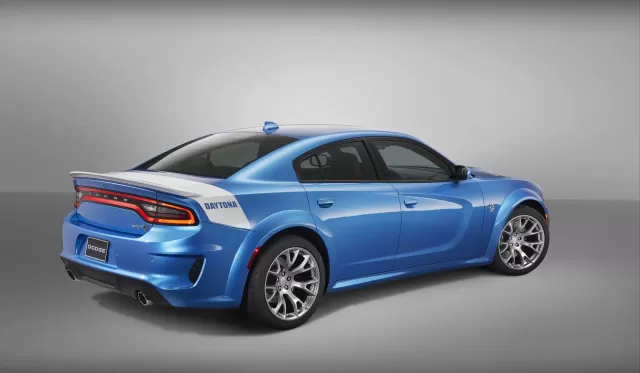
The new Dodge Charger Daytona faced high expectations, aiming to seamlessly blend its iconic muscle car heritage with modern EV technology. Unfortunately, during Car of the Year testing, the execution fell short in several critical areas.
Build Quality and Reliability Woes
Initial impressions were marred by subpar assembly. Misaligned bumpers, inconsistent panel gaps, and general fit-and-finish issues were immediately apparent. More concerning were the software glitches that plagued both test vehicles. One Charger completely shut down, displaying a "Service Transmission" error after a short period of being parked. A temporary fix, familiar to those with Stellantis EVs, involved disconnecting the 12-volt battery or waiting for the car to reset – a process that took a frustrating 30 minutes. The issues didn't stop there; the trunk randomly refused to open, forcing access through the rear seats.
Infotainment and Charging Disappointments
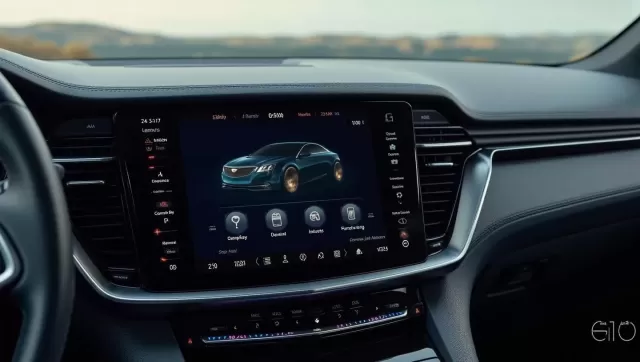
The infotainment system felt underdeveloped, with sluggish response times and key functions buried deep within menus. Features like performance battery conditioning, drift mode, and charge level settings were cumbersome to access. Compounding the problem, neither test car had a functioning route planner, a significant oversight for an EV.
Charging performance was another area of concern. While the range might be acceptable for a muscle car enthusiast, the DC fast-charging capabilities were notably slow. Initial charging tests yielded only 66 miles in 15 minutes, with a 5 to 80 percent recharge taking a lengthy 40 minutes. Testers pointed out that competitors like the Hyundai Ioniq 5 N achieve significantly faster charging times.
Glimmers of Greatness
Despite the numerous flaws, the Charger Daytona revealed moments of brilliance. Its handling was surprisingly agile for a vehicle of its size and weight, delivering an enjoyable driving experience, especially on winding roads. The ride quality was also commendable, effectively absorbing road imperfections thanks to its wide tires, substantial weight, and semi-active suspension. Its practicality for daily use was another strong point, offering good city and highway driving manners, a spacious cabin and cargo area, and a capable 11-kW Level 2 charging system.
The styling also garnered widespread praise. The design successfully blended classic Charger cues with modern aesthetics, incorporating innovative elements like the R-Wing for improved aerodynamics. Practical details, such as the continuous striping over the glass roof and the large rear hatch, added to its appeal.
Potential Undermined by Imperfection
Beneath the surface of these issues, there's a fundamentally good car struggling to emerge. However, for every positive aspect, there was a corresponding negative. The Charger Daytona shows promise, but its imperfections ultimately prevent it from achieving its full potential. For Dodge, getting this vehicle right was crucial, and the current state falls short of that mark.